Yongbao Zhuang and Wenyang Shi: Scientific thinking with meaningful real-world impact
Doctoral researchers Yongbao Zhuang and Wenyang Shi are interns at the Medaffcon office in Stockholm.

The monitoring and diagnosis of diabetic kidney disease are often insufficient in Finland. This is confirmed by two real-world evidence (RWE) studies, the first of which was published in the Finnish Medical Journal (Lääkärilehti) and the second in Diabetes Research and Clinical Practice. These studies provided updated information on the management of diabetes and diabetic kidney disease and identified factors associating with the poor management.
The first study utilized primary care data from the Wellbeing Services County Keusote. The follow-up study was substantially broader, drawing on data from Helsinki University Hospital (HUS) and Helsinki metropolitan area, Keusote, the Finnish Institute for Health and Welfare (THL), the Social Insurance Institution of Finland (Kela), and Statistics Finland.
The studies included individuals who had either a diabetes diagnosis or a record of diabetes medication from 2008 onwards. The prevalence of diabetes in Finland was 9.9% in 2021. The follow-up study examined glucose monitoring, albuminuria screening, diagnosis of CKD, and treatment outcomes associated with discontinuation of sodium–glucose cotransporter-2 (SGLT-2) inhibitor therapy in large subgroups.
Kristiina Uusi-Rauva, Senior Scientific Advisor at Medaffcon, considers the evidence provided by the studies on the shortcomings in the management of diabetes and diabetic kidney disease to be highly significant. The results call for broad attention and concrete actions to enhance the management of these rather common but expensive-to-treat conditions. Kidney disease can progress without symptoms but may ultimately lead to kidney failure. The risk of cardiovascular disease is also increased.
The large data sets of the follow-up study showed that although individuals with diabetes had an average of 40–50 healthcare contacts per year (median, 15–18), only one third underwent the recommended annual urine albumin-to-creatinine ratio (UACR) measurement. Uusi-Rauva emphasizes that UACR is a key test for the early detection of kidney disease.
The follow-up study also showed that there are many associating factors. Factors positively associated with adherence to UACR testing included older age, male sex, type 2 diabetes, lower HbA1c levels, municipality of residence, and calendar year,” Uusi-Rauva explains.
An SGLT-2 inhibitor had been prescribed to one fifth of individuals with diabetes, but of these, one third discontinued the medication within one year. This was associated with a trend toward increased kidney complications and heart failure.
The first study demonstrated that only a subset of people with diabetes received the necessary follow-up examinations also in Keusote. The amount of UACR tests was minimal and the number of estimated glomerular filtration rate (eGFR) measurements declined over time, suggesting that monitoring of kidney function is not carried out in accordance with recommendations, despite a clear clinical need (Reference: Working group appointed by the Finnish Medical Society Duodecim and the Finnish Society of Nephrology. Diabetic Kidney Disease.)
In addition to kidney function, challenges appear to exist in glycemic control among people with diabetes. Both studies showed large differences in glycemic outcomes. In the follow-up study, 29% of individuals with type 1 diabetes and 75% of those with type 2 diabetes achieved an HbA1c level of ≤53 mmol/mol.
“Among individuals with type 1 diabetes, the results indicated difficulties in achieving treatment targets, a challenge that has persisted for decades” Uusi-Rauva notes.
The monitoring of diabetes-related comorbidities, such as kidney disease, is inadequate in the Helsinki metropolitan area and the Keusote region. In particular, the number of UACR tests should be increased, and kidney function should be assessed at least once a year in all individuals with diabetes.
The research highlights the potential of structured data utilization. Primary care data lakes can provide valuable information on the implementation and quality of care.
The studies were conducted in collaboration with Medaffcon, the pharmaceutical company Bayer, and clinical experts from the Wellbeing Services County of Southwest Finland (Varha) and HUS Helsinki University Hospital.
Diabeteksen munuaistaudin toteaminen on puutteellista Keusoten alueella

Doctoral researchers Yongbao Zhuang and Wenyang Shi are interns at the Medaffcon office in Stockholm.

While the majority of Medaffcon’s revenue comes from the pharmaceutical industry, the company’s activities are not limited only to commercial projects. At any given time, several academic projects may be ongoing.

The study generated significant new insights into the epidemiology, treatment, and prognosis of the rare blood cancer Waldenström’s macroglobulinemia.
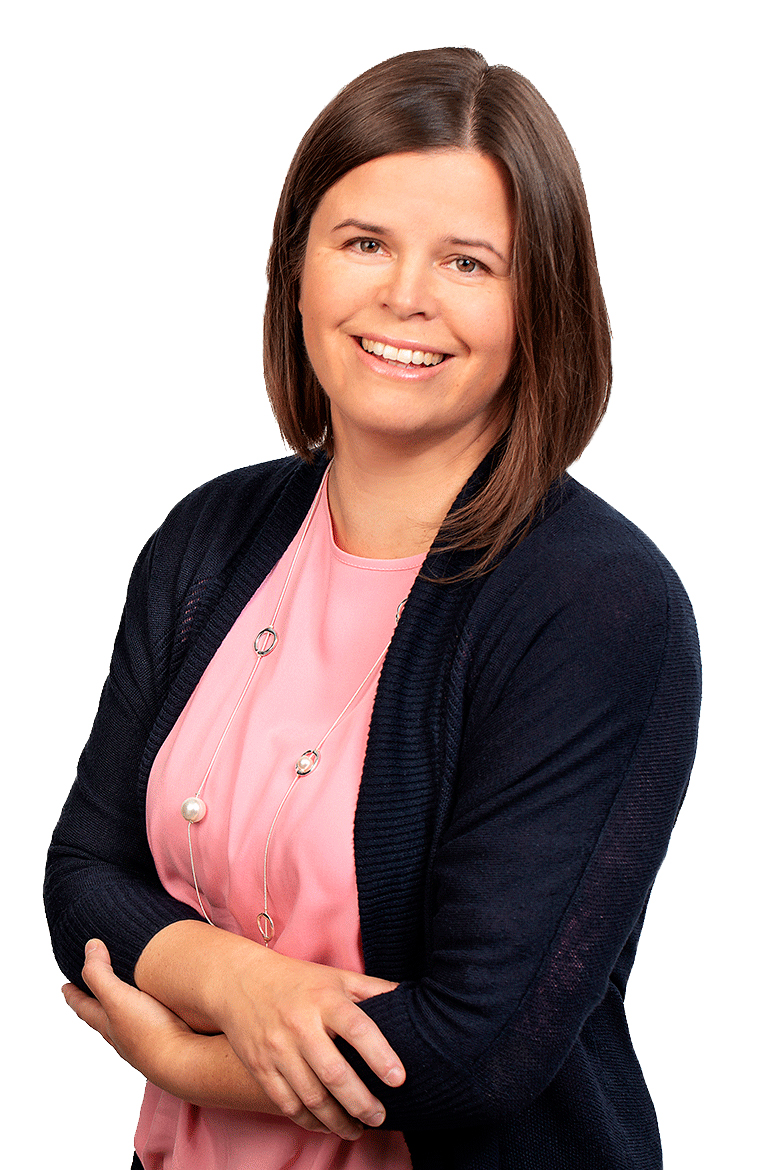
Sr. Scientific Advisor
PhD
kristiina.uusi-rauva@medaffcon.com
Kristiina joined Medaffcon’s RWE team in the fall of 2019. She holds a PhD and her doctoral dissertation concentrated on cell biology of a rare neurological disease. After defending her PhD, Kristiina worked on projects using iPS cell technology in several different research groups for rare diseases. In addition, she has experience in the most common diseases, as she has worked with diabetic research, for example.
“In this work, we can see from the field how know-how is effectively acquired and for what purposes it is used in healthcare. I look forward to seeing the full potential of biobank sample collections for future use in RWE research, including rare diseases”.
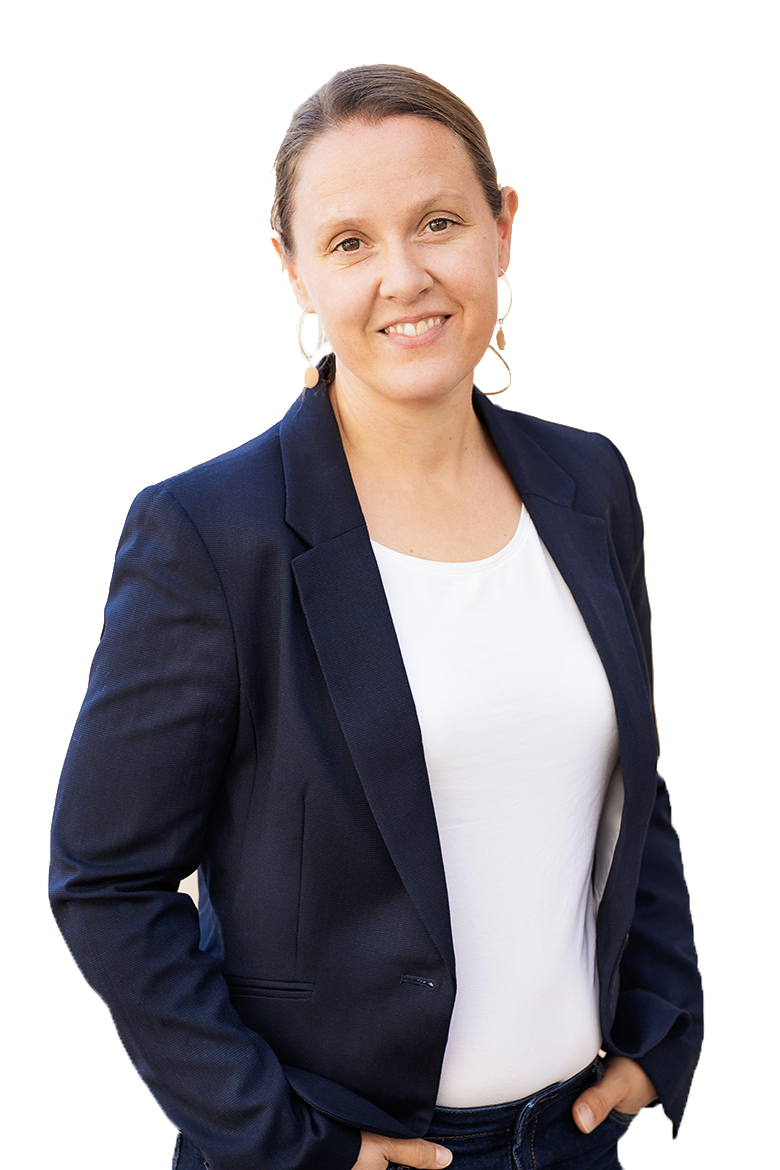
RWE Lead
PhD
+358 50 345 2393
mariann.lassenius@medaffcon.com
Mariann joined Medaffcon’s team in 2016 after finishing her PhD. The transition to real world evidence (RWE) research was a natural continuum to her previous research career. Through RWE studies, she has had the privilege to gain a broad insight into working with different stakeholders within the healthcare field. The vast proportion of her days goes towards interacting with clients, planning and performing RWE studies, and supporting Medaffcon’s RWE team. Subjects that keep her work interesting are the vast variability of customers and projects, problem-solving, and interacting with people.
“The number of RWE studies has increased since stakeholders within the healthcare industry have an increasing demand for knowledge-based decision making tools that need to be fulfilled. The future, therefore, has an ever-increasing emphasis on RWE”.