Medaffcon Explored Transportability of Evidence Between Finland and the United States
When local evidence is insufficient to support decision-making, research findings and real-world evidence generated elsewhere may help fill the gap.

A large proportion of patients with psoriasis need to switch biologic treatment after initiation. This finding emerges from two Finnish real-world evidence (RWE) studies, one focusing on plaque psoriasis and the other on psoriatic arthritis.
Among patients with plaque psoriasis, approximately one in eight switched biologic treatment within the first year, while more than one in five patients with psoriatic arthritis changed treatment during the same period.
The results are based on two RWE studies conducted by Medaffcon. One study examined plaque psoriasis and the other psoriatic arthritis. The studies were led by Medaffcon’s Senior Scientific Advisor, Liisa Ukkola-Vuoti, and were published in Frontiers Dermatology and the Scandinavian Journal of Rheumatology.
“Based on these findings, there is still room for new biologic therapies. Another key observation is that biologic treatment should be initiated as early as possible to prevent the cumulative burden of disease,” says Ukkola-Vuoti.
The studies provide insight into how initiating or switching biologic treatment affects patients’ everyday lives and healthcare utilization. In both patient groups, sick leave began to increase before biologic treatment was initiated.
According to Ukkola-Vuoti, treatment is often started only after the disease has already placed a prolonged strain on daily life and work ability. After initiation of biologic treatment, sick leave decreased among patients starting biologic therapy for the first time.
In contrast, among patients who switched biologic treatments, sick leave continued to accumulate.
Patients who switched biologic therapy were more likely to receive disability pensions than those starting biologic treatment for the first time. In addition, healthcare utilisation and related costs remained higher or even increased despite switching treatment.
Among first-time users of biologic therapy, visits to specialised healthcare and associated costs decreased within one year after treatment initiation.
Unmet treatment needs are evident already before biologic therapy is started, as shown by increasing number of sick leave days and growing healthcare utilization. Earlier and more effective initiation of treatment could help prevent the cumulative impact of the disease. Simply switching between biologic therapies does not always resolve the situation once the disease has progressed.
Plaque psoriasis and psoriatic arthritis are chronic inflammatory diseases that can significantly impair quality of life and work ability. Although biologic therapies have improved treatment outcomes, they do not provide sufficient or lasting benefit for all patients.
The studies were conducted by Medaffcon in collaboration with UCB Pharma. Both were based on comprehensive Finnish nationwide registry data. The plaque psoriasis study included 2,437 patients, and the psoriatic arthritis study included 2,546 patients. Study period was from 2013 to 2022.
A population-based registry study on psoriasis-associated burden of disease in Finland
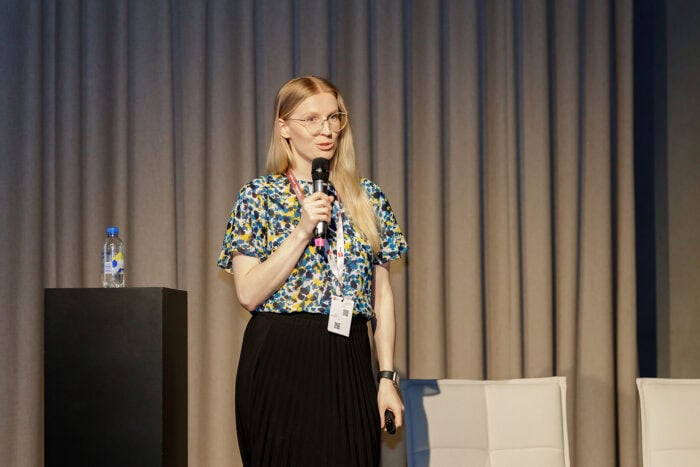
When local evidence is insufficient to support decision-making, research findings and real-world evidence generated elsewhere may help fill the gap.
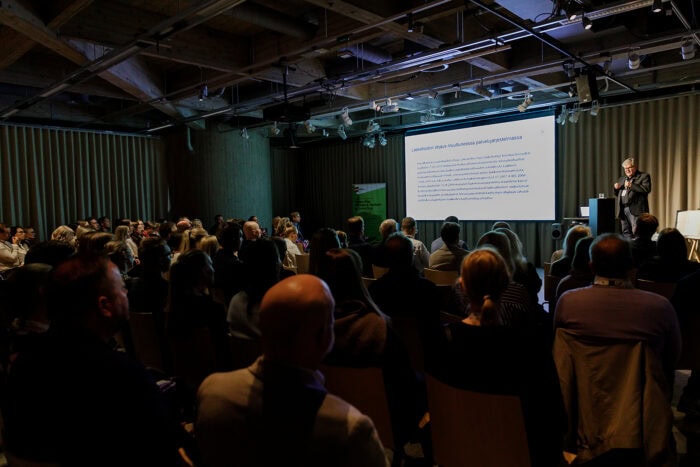
Finland is currently developing a national assessment and decision-making model for medicines.
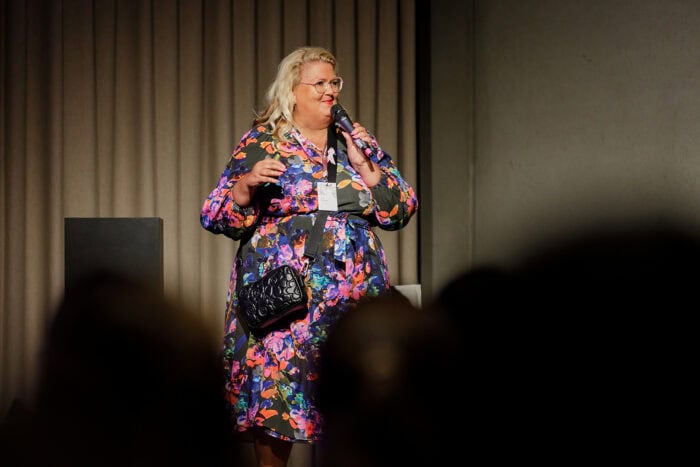
Companies are becoming increasingly selective about where they launch new medicines and where they invest in research.

Sr. Scientific Advisor
PhD
liisa.ukkola-vuoti@medaffcon.com
Liisa joined Medaffcon in January 2020. She has over ten years of experience of working as a scientific advisor and research scientist for private and public sector organizations. Liisa holds a PhD in medical genetics, and she mentions that especially the therapeutic areas related neurology and psychiatry appeal to her.
Liisa’s strengths include strong expertise on medical sciences and research, as well as on creating evidence-based content, because she also has experience of being a science book author. Establishing cross-scientific collaboration, scientific exchange, and creating networks are one of her key work philosophies.
One of her main professional interests is the secondary use of health-related data to create real-world-evidence in order to improve and develop treatment practices. ”Due to the unique registries and data lakes available in Finland, in principle all the required data is already available or accumulating all the time, which makes it important to utilize this real-world-data to improve patient care and general well-being.”