Medaffcon Makes Medtech Measurable When Data Determines Market Access
Medaffcon brings to the health technology market the kind of effectiveness and cost-conscious thinking well established in the pharmaceutical industry.

Finnish hospitals’ data lakes offer an opportunity to access tremendously rich real-world data on treatments and outcomes that enable research on topics ranging from medical questions to health economics.
Finland has a globally unique offering of real-world health data for pharmaceutical research.
Stored in electronic and mostly structured format in national patient registers, data lakes maintained by wellbeing services counties and the database of the Social and Health Data Permit Authority (Findata), the data encompass healthcare events ranging from check-ups in primary healthcare to laboratory tests, pharmacotherapies and surgical procedures in speciality healthcare.
“The data consist of everything related to a patient’s health, diagnoses, pharmaceutical therapies, medical procedures, pathology – everything that’s happened to the patient in the healthcare context,” sums up Dr. Mariann Lassenius, the real-world evidence lead at Medaffcon.
“Data from different sources can be combined not only with each other, but with a lot of socio-economic data from sources like Statistics Finland and the Digital and Population Data Services Agency.”
Dr. Lassenius draws particular attention to the regional data lakes, describing them as “mirrors” that can reflect entire patient pathways and suffice to meet the needs of many pharmaceutical research projects. The data therein are so rich that obtaining them from other sources would entail manual labour, and thus limit the scope and lead to as sharp as a fivefold increase in the costs of the project, she estimates.
“Data lakes are like mirrors that can reflect entire patient pathways.“
“You can examine the mutations of certain cancers, medicines prescribed in hospitals. From pathological and radiological reports, you can mine the text for variables and disease progression,” she lists. “These kinds of data aren’t really available elsewhere, not even in other Nordic countries.”
Access to the data is granted within two to three months of application.
A case in point is a dataset Medaffcon compiled for a client from a single data lake that combined echocardiographic measurements and laboratory results to create a clean sample population without any muddling factors.
“Even though the data were from a single region in Finland, it was the biggest cohort that the client had ever had the chance to study,” Dr. Lassenius says.
Pharmaceutical companies can utilise such data for various purposes, from initial research and product development to demonstrating unmet medical need and validating the effectiveness and cost-effectiveness of products before or after market entry. One emerging application is using data as a virtual control group in studies where a traditional control group would be unethical or the comparator drug is not recognised in the local clinical praxis.
“It’s possible to create what’s called a synthetic or virtual control arm to achieve a comparative setting between patients,” she tells.
The availability of this genuinely unique real-world data has already attracted a number of pharmaceutical companies to Finland. As Findata continues to streamline its processes, the country is poised to further cement its status as a leading pharmaceutical research environment.
Similarly to the data it specialises in, Medaffcon is able to support pharmaceutical companies at all stages of research and development, from identifying the research questions and data needs to compiling the data, carrying out the research, and validating and reporting the results – if necessary, in consultation with permit authorities.
“We have broad-based expertise in not only research but also market access services,” she states. “And we’re quite a nicely sized firm, with around 30 people. The size makes us flexible, allowing us to approach things in a client-friendly way.”

Medaffcon brings to the health technology market the kind of effectiveness and cost-conscious thinking well established in the pharmaceutical industry.

The objective is to improve access to health data for research and innovation, but the proposal raises concerns about increased administrative burden and the role of industry within the model.

Transportability and generalizability refer to the ability to apply evidence from a single study to different patient populations, clinical settings, or geographical regions.
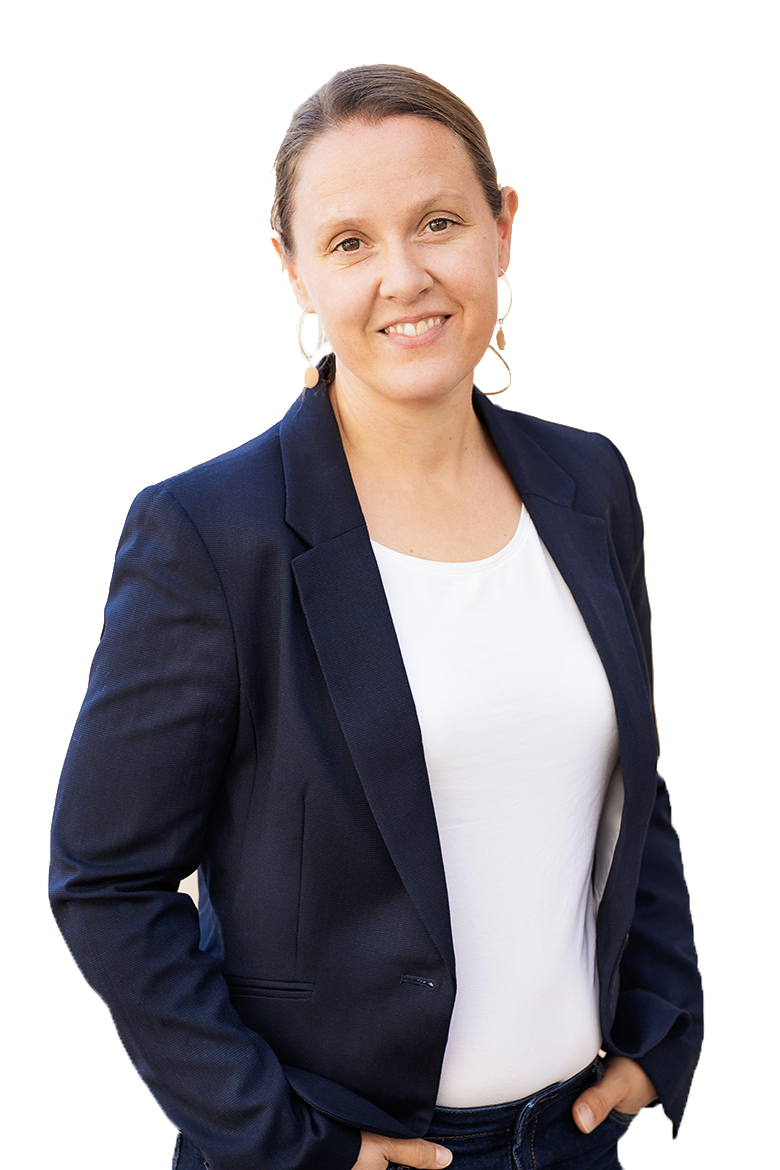
RWE Lead
PhD
+358 50 345 2393
mariann.lassenius@medaffcon.com
Mariann joined Medaffcon’s team in 2016 after finishing her PhD. The transition to real world evidence (RWE) research was a natural continuum to her previous research career. Through RWE studies, she has had the privilege to gain a broad insight into working with different stakeholders within the healthcare field. The vast proportion of her days goes towards interacting with clients, planning and performing RWE studies, and supporting Medaffcon’s RWE team. Subjects that keep her work interesting are the vast variability of customers and projects, problem-solving, and interacting with people.
“The number of RWE studies has increased since stakeholders within the healthcare industry have an increasing demand for knowledge-based decision making tools that need to be fulfilled. The future, therefore, has an ever-increasing emphasis on RWE”.