Medaffcon Explored Transportability of Evidence Between Finland and the United States
When local evidence is insufficient to support decision-making, research findings and real-world evidence generated elsewhere may help fill the gap.

The reform of the Secondary Use Act will establish a new decentralised process, in parallel to the current centralised permit model in which Findata grants all data permits. As a result, processing times are expected to shorten.
The Act on the Secondary Use of Social and Health Data will be reformed in stages in 2026. The reform will simplify permit processes, improve transparency, and ensure alignment with the EU’s European Health Data Space (EHDS) Regulation.
According to Mariann Lassenius, RWE Lead at Medaffcon, the core of the reform is reestablishing a decentralisation of data permits, in parallel with keeping the centralised model with Findata. Researchers are expected to benefit from shorter application processing times, improving the efficiency of both national and EU-level research projects.
“The new legislation means that researchers can choose the process to apply for a study permit, the centralised model where Findata grants the data permit, or decentralised process reaching out to all register holders individually for individual permits. The reform enables more direct interaction with data controllers, such as wellbeing services counties,” Lassenius explains.
Data from the national Kanta services or from private social and healthcare service providers, as well as those organisations that have delegated the permit processing responsibilities to Findata will still be processed here. This means that some permits will remain under Findata’s responsibility, and all studies using data from multiple registers, can still apply via Findata.
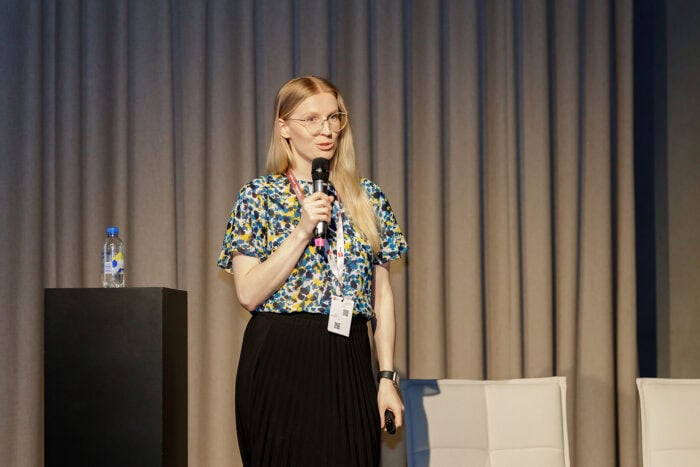
When local evidence is insufficient to support decision-making, research findings and real-world evidence generated elsewhere may help fill the gap.
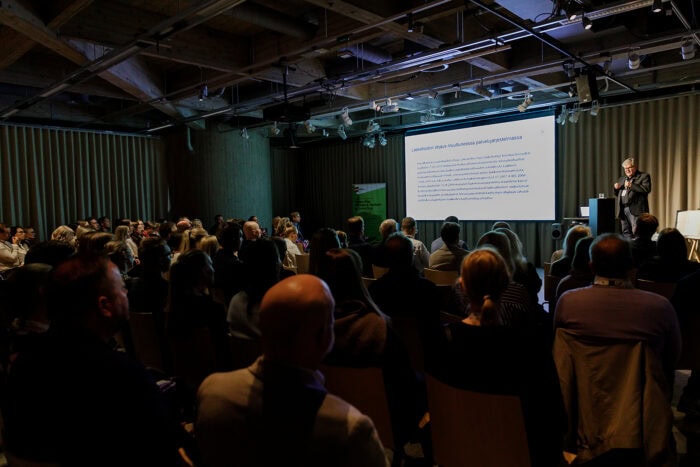
Finland is currently developing a national assessment and decision-making model for medicines.
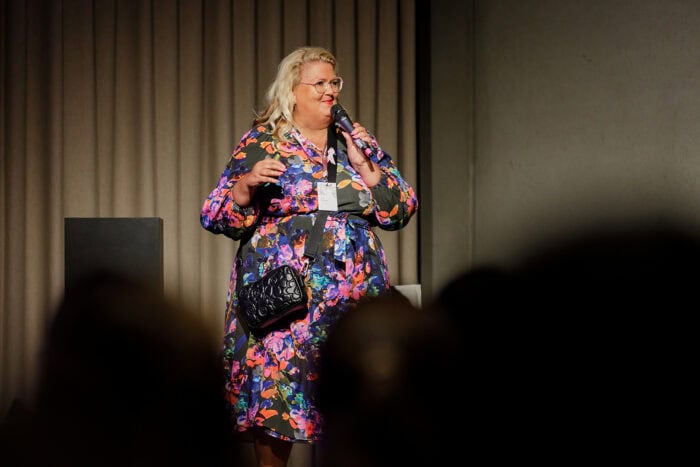
Companies are becoming increasingly selective about where they launch new medicines and where they invest in research.
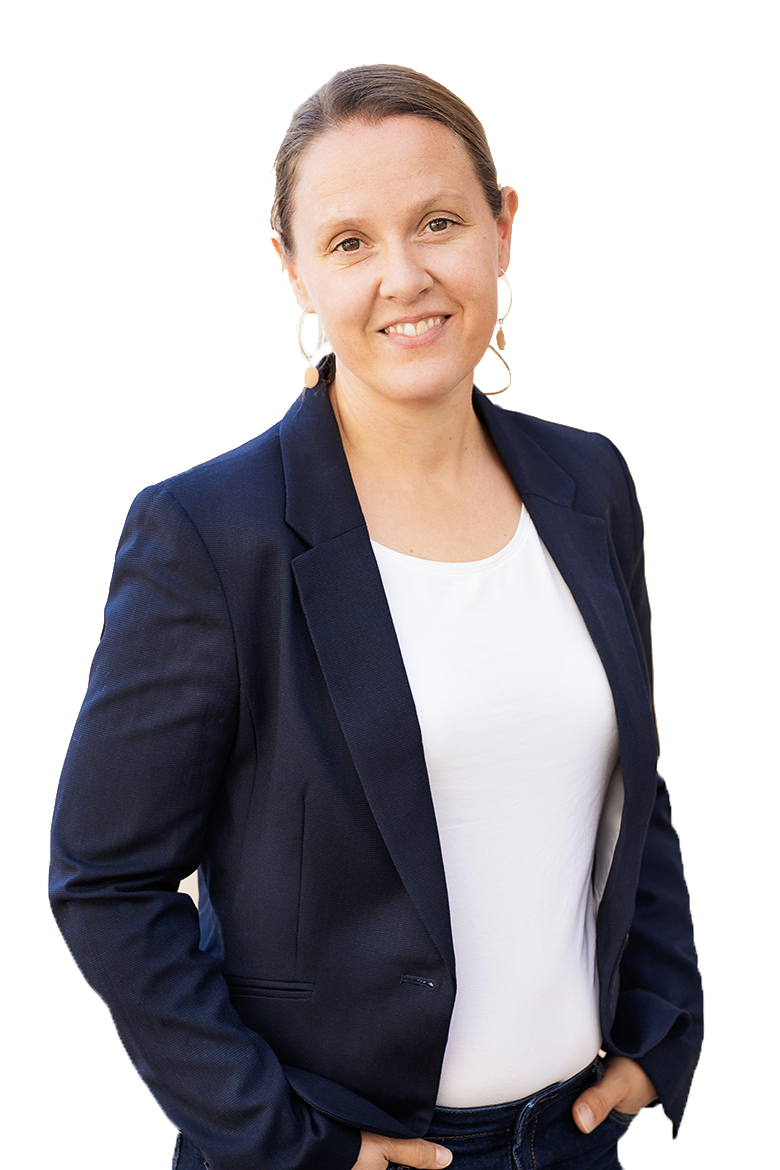
RWE Lead
PhD
+358 50 345 2393
mariann.lassenius@medaffcon.com
Mariann joined Medaffcon’s team in 2016 after finishing her PhD. The transition to real world evidence (RWE) research was a natural continuum to her previous research career. Through RWE studies, she has had the privilege to gain a broad insight into working with different stakeholders within the healthcare field. The vast proportion of her days goes towards interacting with clients, planning and performing RWE studies, and supporting Medaffcon’s RWE team. Subjects that keep her work interesting are the vast variability of customers and projects, problem-solving, and interacting with people.
“The number of RWE studies has increased since stakeholders within the healthcare industry have an increasing demand for knowledge-based decision making tools that need to be fulfilled. The future, therefore, has an ever-increasing emphasis on RWE”.