The Transformation of the Pharmaceutical Industry Is Putting Pressure on Finland and Europe
Companies are becoming increasingly selective about where they launch new medicines and where they invest in research.

Agile ways of working enable seamless knowledge sharing between teams and help keep RWE project timelines on track.
Medaffcon delivers real-world evidence (RWE) studies for pharmaceutical and medtech companies. These projects require broad expertise from both data scientists and scientific advisors, and collaboration between the different experts is a must.
To ensure the right expertise is in place and to manage timelines effectively, Medaffcon uses the Scrum model. Scrum is an agile project management approach that structures work into short, fixed‑length sprints and supports continuous improvement. Medaffcon has two Scrum teams, each consisting of 5–6 people.
“Scrum has been in place for a couple of years; the pilot started in 2022. We adopted the model after discussing project management with our owner, Tamro, and realising it could work well for us too,” says Data Analysis Lead Iiro Toppila.
Tamro supported Medaffcon during the implementation phase. A core principle of Scrum is continuous improvement of the way of working.
For clients, the value of Scrum is reflected in steady, well-managed project delivery.
“Scrum helps us prioritise where attention is needed most across projects and allocate time accordingly. It also allows us to accelerate a specific phase if, for instance, gaining access to the data has taken longer than expected,” says RWE Lead Mariann Lassenius.
The model also supports efficient knowledge sharing both within teams and across team boundaries. Medaffcon’s expertise is highly specialised, and the company plays an important role in training new professionals in the field. Scrum is one of the ways Medaffcon supports junior colleagues as they build their skills and confidence.
“Senior experts can also learn from the capabilities and perspectives of juniors. Scrum supports both. The RWE landscape is very broad, so diverse expertise and multiple viewpoints are essential,” Toppila says.
Strong knowledge sharing means expertise is shared across the team rather than concentrated in one person. This helps clients receive consistent Medaffcon quality across projects. Even though you are working with a dedicated hit squad, you always have the whole team’s back-up and support.
Agile methods such as Scrum are widely used in IT, but they are less common in expert work like Medaffcon’s.
“With Scrum, we’ve brought more clarity to our work, increased process transparency, and improved collaboration and resource management. It’s also a scalable way of working,” Lassenius says.
Scrum supports Medaffcon’s international growth. The company operates across the Nordics, and the Scrum teams include colleagues from multiple countries.
“We share insights and experience across country teams. We bring the Finnish team’s expertise to Sweden, and the Swedish team, in turn, shares its expertise with Finland. Our expertise isn’t siloed by unit or by country. It is leveraged efficiently across all client projects,” Toppila points out.
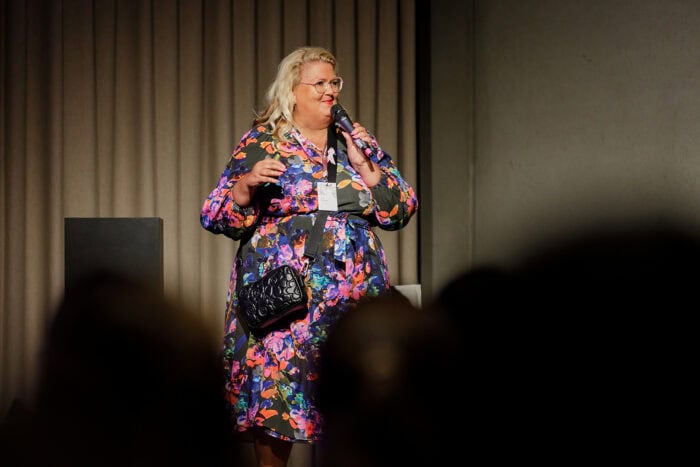
Companies are becoming increasingly selective about where they launch new medicines and where they invest in research.

Medaffcon’s Sales Lead Tomi "Tomppa" Vahevaara will retire on October 1st 2026. Tomppa leaves behind an exceptionally long career in the pharmaceutical industry spanning 45 years.

Medaffcon’s new Treatment Dynamics service provides insights into patient journeys, treatment progression, medication use and market dynamics through tailored patient-level real-world data analysis.
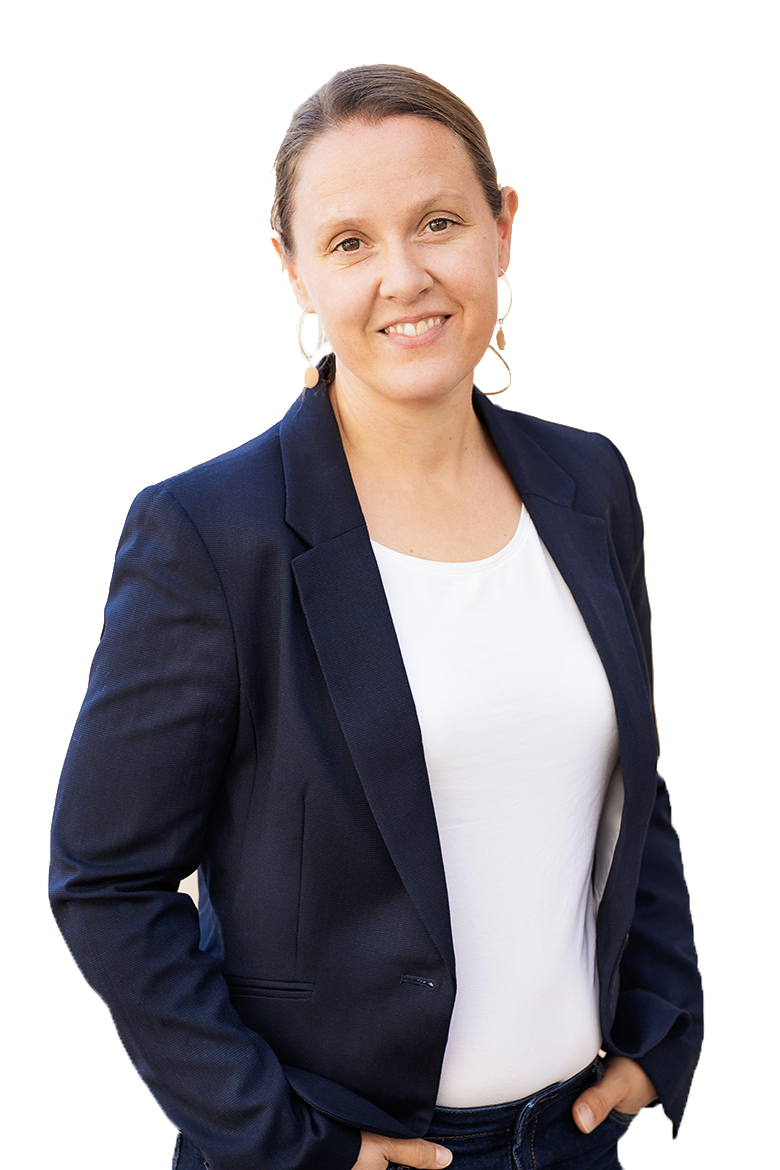
RWE Lead
PhD
+358 50 345 2393
mariann.lassenius@medaffcon.com
Mariann joined Medaffcon’s team in 2016 after finishing her PhD. The transition to real world evidence (RWE) research was a natural continuum to her previous research career. Through RWE studies, she has had the privilege to gain a broad insight into working with different stakeholders within the healthcare field. The vast proportion of her days goes towards interacting with clients, planning and performing RWE studies, and supporting Medaffcon’s RWE team. Subjects that keep her work interesting are the vast variability of customers and projects, problem-solving, and interacting with people.
“The number of RWE studies has increased since stakeholders within the healthcare industry have an increasing demand for knowledge-based decision making tools that need to be fulfilled. The future, therefore, has an ever-increasing emphasis on RWE”.