Medaffcon Explored Transportability of Evidence Between Finland and the United States
When local evidence is insufficient to support decision-making, research findings and real-world evidence generated elsewhere may help fill the gap.

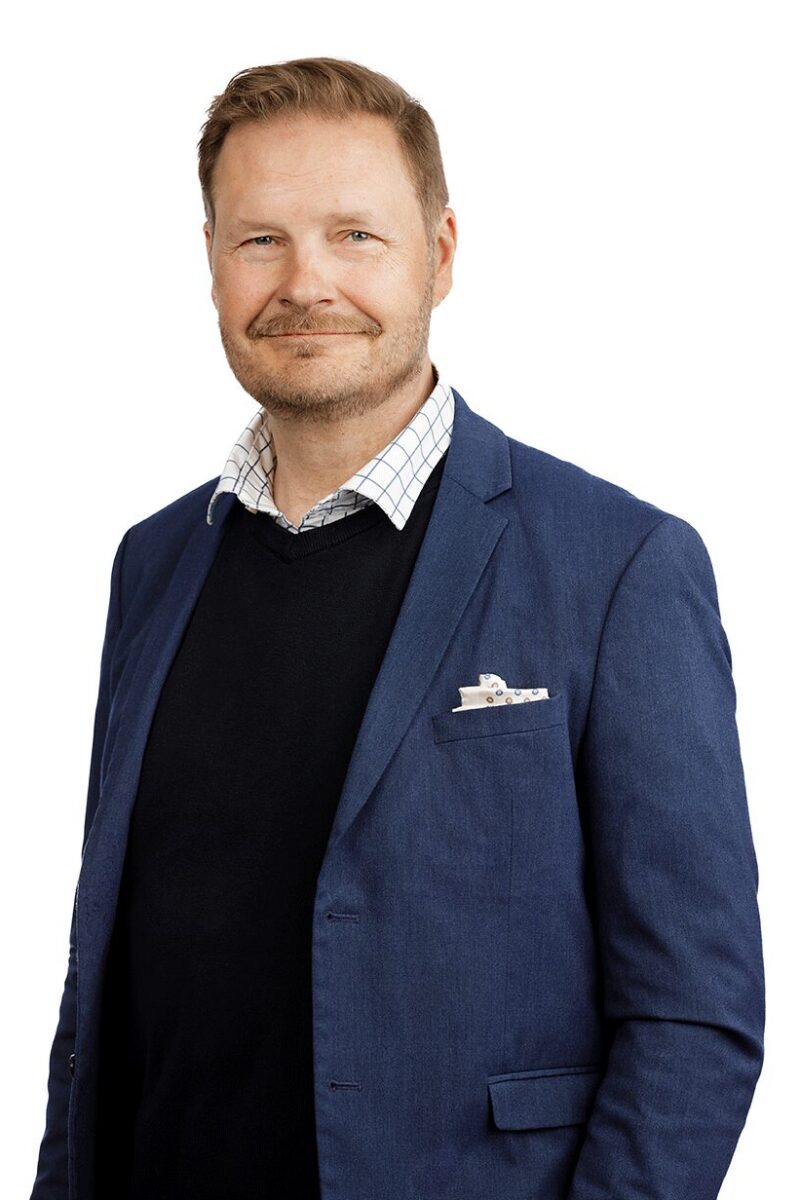
Pekka Männistö has been appointed Commercial Lead at Medaffcon and will assume his new role at the beginning of June. He is returning to a familiar workplace with curiosity and enthusiasm.
In Pekka Männistö’s case, it can be said that while a man may leave Medaffcon, Medaffcon does not leave the man. He previously worked at Medaffcon in sales from 2015 to 2018. Now, he is returning to the company with renewed curiosity and excitement. The reasons are twofold: the current market situation and Medaffcon itself.
“There are not many companies I would have joined in this kind of role. Medaffcon has credibility built on expertise more than anyone else. We are always at the forefront and slightly ahead of the curve, which allows us to remain a relevant partner for our clients,” Männistö explains.
Männistö values Medaffcon’s active and curious mindset, which is driven by a knowledgeable and enthusiastic team. The company continuously creates new solutions and rapidly adopts innovations, for example in the use of data. This operating model enables Medaffcon to deliver truly meaningful services to its clients.
“Even in recent weeks, I’ve participated in several events where Medaffcon’s clients received insights they would not otherwise have had access to. Staying relevant to the client is essential. We work with complex issues, and clients understand that,” Männistö says.
According to Männistö, the current market situation is particularly interesting, as client needs have become more diverse. Both clients and Medaffcon must be prepared for a wide range of scenarios. One source of change is, for example, President Trump’s Most Favored Nation (MFN) policy. In addition, the medtech sector has grown significantly, and companies’ needs in this field are now becoming more concrete.
Medaffcon has also gained new competitors, whom Männistö describes as highly capable providers of quality work.
“The field has changed, which indicates that there is a growing demand for this type of service,” Männistö notes.
Before moving into consulting at Medaffcon in 2015, Männistö spent nearly 20 years working in sales and marketing roles at several pharmaceutical companies. Most recently, he served as Country Manager and Chief Operating Officer at the health technology company Klinik Healthcare Solutions from 2021 to 2022.
Throughout his career, Männistö has learned to value curiosity above all else and considers it a key driving force for progress.
“You must always stay one step ahead and think about what developments mean for us and for our clients. Both individuals and companies need to continuously absorb understanding from the world around them,” he says.
He particularly appreciates the thinking of the Austrian‑British philosopher Karl Popper (1902–1994): when you have an idea, you should actively seek out information that contradicts it. All ideas must be tested, and nothing should be taken for granted.
Männistö has become accustomed to the slow pace of change in healthcare, but it also frustrates him. For example, drug pricing and costs are frequently debated, even though medicines are almost the only component of healthcare whose effectiveness has been rigorously evaluated. Despite this, medicines account for only around 14–15% of total healthcare costs.
“The evaluation of other healthcare interventions should be brought to the same level as the assessment of medicines. People should understand that healthcare in Finland is of a very high standard,” Männistö says.
Medaffcon’s Sales Lead, Tomi Vahevaara, will retire in autumn.
When local evidence is insufficient to support decision-making, research findings and real-world evidence generated elsewhere may help fill the gap.

Finland is currently developing a national assessment and decision-making model for medicines.
Companies are becoming increasingly selective about where they launch new medicines and where they invest in research.