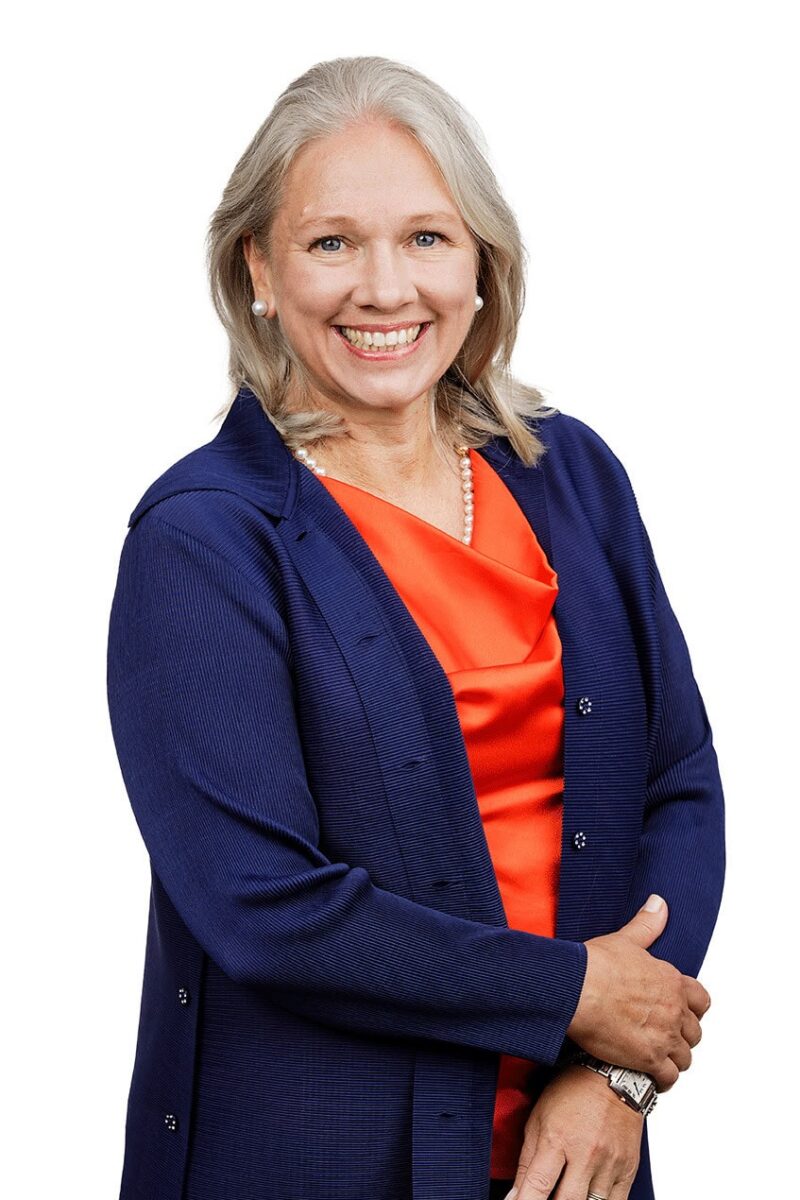


Summer Greetings from our CEO
Disruption is present in many forms, and our clients are facing new challenges that require them to adapt to new ways of working. The same applies to us.
Doctoral researchers Yongbao Zhuang and Wenyang Shi are interns at the Medaffcon office in Stockholm. Both hope to have an impact on healthcare in their future careers. In the near term, Yongbao Zhuan aims to deepen his expertise in analytics, value demonstration, and strategy. Wenyang Shi wants to stay close to clinical questions and contribute to research, data analysis, and evidence generation.

Yongbao Zhuang has a background in microbiology and immunology. He studies the link between the gut microbiota and colorectal carcinogenesis.

Wenyang Shi is a physician trained in clinical medicine. During his doctoral studies, he has focused on disease mechanisms and their clinical relevance, particularly in relation to cancer and other chronic diseases.
Yongbao Zhuang:
Three things stand out. First, how to turn a broad question into a structured workplan with clear deliverables. Second, how to triangulate insights from different sources—literature, data, and stakeholder perspectives—rather than relying on a single input. Third, how to communicate findings in a way that is decision-ready: clear logic, transparent assumptions, and practical implications.
Wenyang Shi:
During my internship, I have learned a lot about epidemiological analysis and real-world data workflows. I gained hands-on experience in structuring and analysing registry data, defining study populations, and calculating outcomes related to healthcare utilization and costs. Beyond technical skills, I also learned how projects are developed and delivered in an industry setting. This includes working efficiently in teams, communicating results clearly, and aligning analyses with specific project goals and timelines.
Yongbao Zhuang:
I’ve learned that Market Access is ultimately about aligning evidence with what different stakeholders need to make decisions—payers, clinicians, and healthcare systems—within a specific local context. RWE complements clinical trial data by showing how treatments perform in real practice, and it can be especially important for understanding outcomes, treatment patterns, and unmet need. I also gained a more practical understanding of the strengths and limitations of RWE—such as bias, confounding, and data quality—and why transparent methods and clear framing are essential.
Wenyang Shi:
I have gained a practical understanding of how RWE is used to describe disease burden, treatment patterns, and economic impact in routine clinical practice. Through hands-on work, I learned how analyses are shaped by concrete client needs and real decision questions, while also considering the health economy, ethical aspects, and a broader human perspective. Overall, I have learnt that Market Access and RWE rely on solid methodology and clear communication, and that data integration and emerging tools such as AI can support more efficient analyses and help turn complex data into meaningful insights.
Yongbao Zhuang:
It has been fast-paced, collaborative, and very applied. I’ve worked on projects where the objective is clear—supporting evidence-based decisions in market access and related areas—and where the details matter. I’ve also appreciated working with colleagues who are generous with feedback and who bring strong expertise.
Wenyang Shi:
My work at Medaffcon has been highly practical and application oriented. I am working on projects using real-world data to study disease patterns and healthcare costs in Sweden. My role has mainly focused on data analysis and quantitative evaluation, contributing to evidence generation that addresses real and relevant questions. The work environment has been very collaborative. I have worked closely with colleagues from different backgrounds and appreciated the open discussions, shared workflows, and constructive feedback throughout the projects.
Disruption is present in many forms, and our clients are facing new challenges that require them to adapt to new ways of working. The same applies to us.
In a data gap analysis, gaps in the available information of the therapy area and data on a medicinal product are mapped and assessed against regulatory, scientific, and business requirements.
Pekka Männistö has been appointed Commercial Lead at Medaffcon and will assume his new role at the beginning of June.
CEO, Medaffcon Sweden
M.Sc (Econ.) & M.Sc (Health Econ)
+46 73 447 47 27
lisse-lotte.hermansson@medaffcon.com
Lisse-Lotte started at Medaffcon 1st of October 2024. Previously she was at a Swedish-German company as CSO Chief Scientific Officer, consulting European companies about Nordic health data opportunities and market access. She has a M.Sc (Econ.) from Helsingin School of Economics and a M.Sc (Health Econ) from Karolinska. Additionally a Ph.D student at the University of Turku in Health Economics. She has obtained a long experience from global pharma and medtech. She has lived over 20 years in Sweden.
The current development gives new possibilities to utilise data. With AI we can produce synthetic data and build digital twins that can actually support drug development and support healthcare providers. Innovative solutions are only useful if they are adopted to daily practice.
Old ways of working will vanish and RWD will be acknowledged as an excellent option or support for RCTs. As RWD is enabling more cost-effective evidence generation for new treatments. Treatments need to be more personalised so that the right drugs, diagnostics and devices are used for the right patients at the right time.