Medaffcon and EasyHTA Develop New Tools for Health Economic Assessment
Medaffcon and EasyHTA are developing new ways to make health economic assessments faster and more transparent.

Three new studies based on Medaffcon’s CORE datasets provide fresh insights into cancer care, examining treatment-related time burden, survival in the HUS region, and the relationship between education and cancer survival. A further study, carried out with Tamro, explores how automated medication dispensing and remote communication may reduce healthcare use and costs among homecare clients.
Senior Scientific Advisor Bettina Mannerström and RWE Lead Mariann Lassenius will present the posters at ISPOR Europe 2026 in Vienna, Austria, in November.
The success of cancer treatment should not be evaluated solely in terms of survival or clinical response. The time required by treatment is also an important component of the patient experience and quality of life.
A study based on the Medaffcon HUS CORE dataset examined more than 16,000 cancer patients treated in the HUS region between 2018 and 2024. The findings show that, on average, patients spent 39 days engaged in healthcare-related contacts during their first year of treatment.
This figure includes outpatient visits, diagnostic procedures, and treatment appointments. However, the amount of time required by cancer care varied considerably across cancer types and treatment modalities.
The highest time burden was observed among lung cancer patients receiving immuno-oncology therapies. These patients spent an average of 97 days in treatment-related healthcare contacts during their first year of care, equivalent to nearly two days per week. At the other end of the spectrum were melanoma patients treated with surgery alone, who spent an average of 15 days in treatment-related healthcare contacts.
ISPOR abstract: TIME TOXICITY IN CANCER CARE AND TIME SPENT IN HEALTHCARE ACROSS CANCER AND TREATMENT TYPES IN FINLAND
The findings in the second study challenge recent interpretations suggesting that Finnish cancer patients have poorer survival outcomes than patients in other Nordic countries. Estimates based on HUS registry data indicate that relative survival for most of the cancer types studied was at least comparable to, and in some cases better than, the national Finnish estimates reported by NORDCAN. Furthermore, the results were largely in line with survival outcomes reported in Sweden, Norway, and Denmark.
This poster is based on the Medaffcon HUS CORE dataset and examined cancer survival in selected cancers in the HUS region between 2014 and 2023. Results suggests that regional register data may provide a complementary source for benchmarking cancer outcomes and interpreting national survival benchmarks. Based on the HUS data, cancer survival in Finland does not appear to be generally inferior to that observed in other Nordic countries.
The third study highlights socioeconomic differences in cancer prognosis. Using data from the Medaffcon Women’s Health CORE dataset, researchers analysed information from more than 77,000 women diagnosed with breast, cervical, or ovarian cancer in Finland and Sweden between 2012 and 2018.
The results indicate that educational attainment is associated with cancer survival, although the relationship differs between Finland and Sweden and across patient groups.
In Sweden, higher educational attainment was consistently associated with better survival across most of the cancers studied. In Finland, the relationship was more complex, with survival differences varying according to cancer type and patient age.
These findings underscore the importance of considering socioeconomic factors when evaluating cancer outcomes and designing interventions aimed at reducing health inequalities.
A further study, carried out with Tamro, examined whether automated medication dispensing combined with remote communication could reduce healthcare use and costs among homecare clients. The study compared changes in homecare, primary care and specialist healthcare before and after implementation with those among non-users.
Each service user was matched with three non-users based on demographic characteristics, existing conditions, municipality and previous healthcare use, allowing comparison of changes in contacts and costs over time.
The findings showed a shift towards remote support. Relative to changes among non-users, in-person homecare contacts fell by 24%, remote contacts increased by 72%, and total annual healthcare costs decreased by 18%.
Including service costs, the estimated net saving was approximately €3,200 per client annually. The results suggest that automated medication dispensing and remote communication may ease homecare demand and support care at home, although the study compared matched groups rather than using a randomised trial.

Medaffcon and EasyHTA are developing new ways to make health economic assessments faster and more transparent.
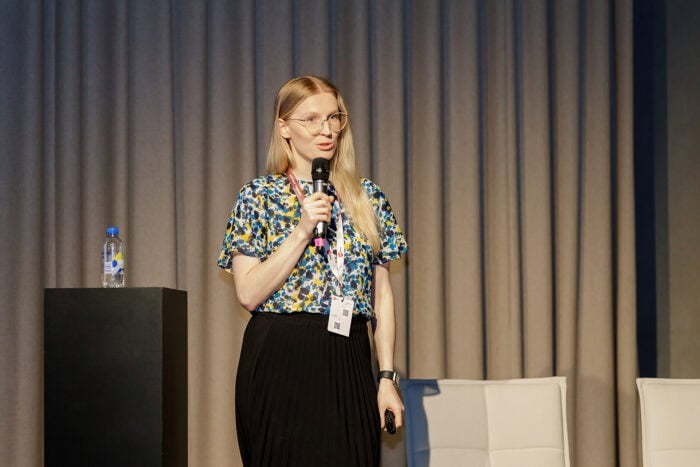
When local evidence is insufficient to support decision-making, research findings and real-world evidence generated elsewhere may help fill the gap.
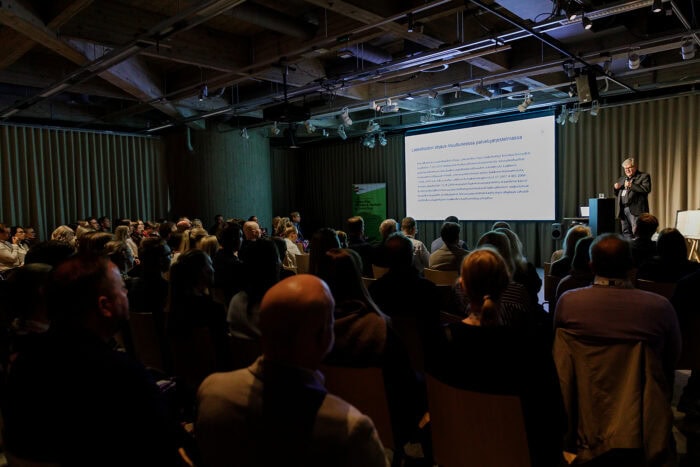
Finland is currently developing a national assessment and decision-making model for medicines.

RWE Lead
PhD
+358 50 345 2393
mariann.lassenius@medaffcon.com
Mariann joined Medaffcon’s team in 2016 after finishing her PhD. The transition to real world evidence (RWE) research was a natural continuum to her previous research career. Through RWE studies, she has had the privilege to gain a broad insight into working with different stakeholders within the healthcare field. The vast proportion of her days goes towards interacting with clients, planning and performing RWE studies, and supporting Medaffcon’s RWE team. Subjects that keep her work interesting are the vast variability of customers and projects, problem-solving, and interacting with people.
“The number of RWE studies has increased since stakeholders within the healthcare industry have an increasing demand for knowledge-based decision making tools that need to be fulfilled. The future, therefore, has an ever-increasing emphasis on RWE”.