Medaffcon and EasyHTA Develop New Tools for Health Economic Assessment
Medaffcon and EasyHTA are developing new ways to make health economic assessments faster and more transparent.

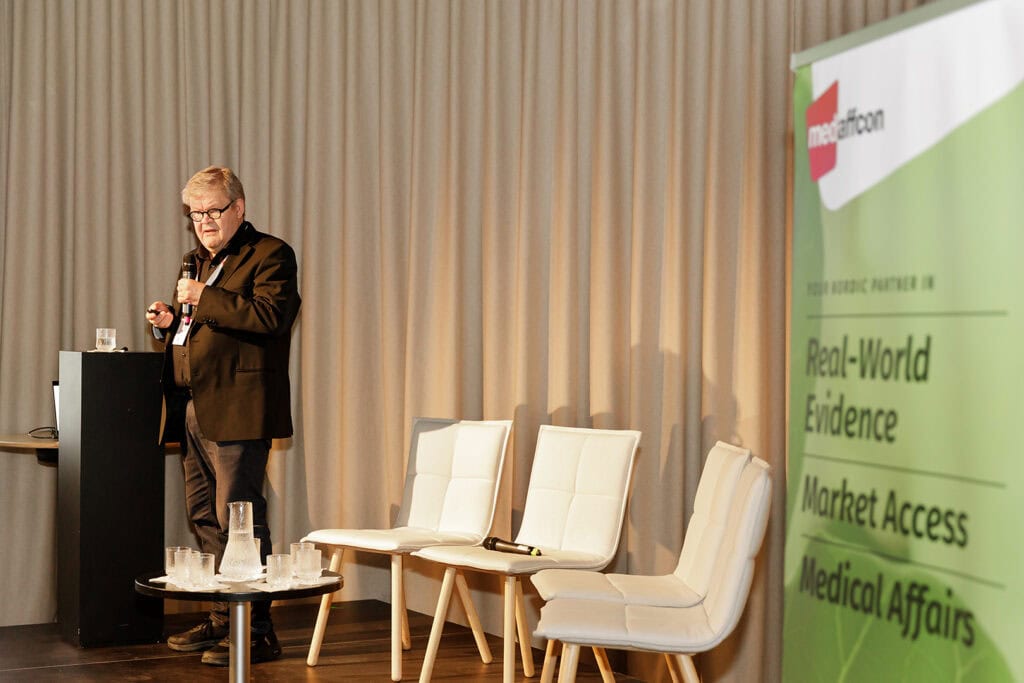
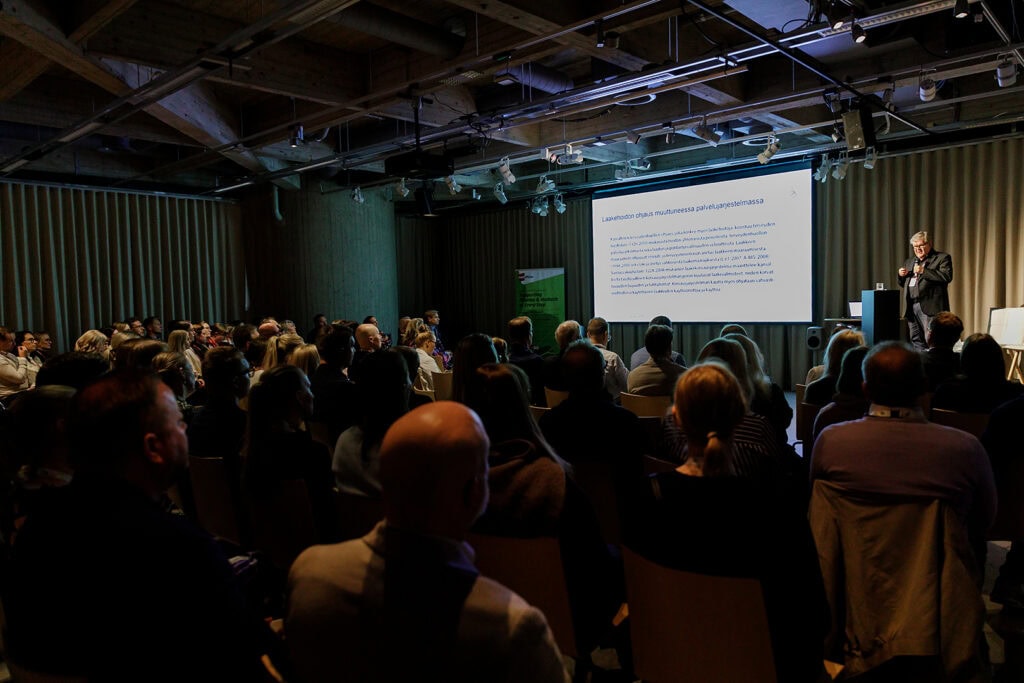
Finland is currently developing a national assessment and decision-making model for medicines. Vesa Jormanainen, Senior Ministerial Adviser at the Ministry of Social Affairs and Health, discussed the reform at Medaffcon’s EMMA event on 30 September.
The national assessment and decision-making model for medicines is expected to be completed by 2029. The next step is to define which organisations will be responsible for future assessments and decision-making. Once this has been determined, the most suitable operating model can be selected from three alternatives: a multi-agency model, a two-agency model, or a single-agency model.
According to Vesa Jormanainen, the key tasks include harmonising assessment processes, methodologies and criteria, as well as creating a transparent and predictable operating framework. The objective is to ensure that assessment timelines are clear, decision-making is based on consistent criteria, and processes proceed without unnecessary delays.
At the same time, preparations are underway to reorganise the assessment of medical devices and other healthcare interventions under the Health Technology Assessment (HTA) framework. The success of the reform will require adequate resources and the retention of assessment expertise, regardless of which model is ultimately adopted.
A working group has already outlined common assessment criteria. Under the proposal, assessments would evaluate both therapeutic and economic value.
“In terms of therapeutic value, the key consideration is whether a treatment provides clinically meaningful benefits to patients compared with existing alternatives. Economic evaluation, in turn, focuses on cost-effectiveness, budget impact and overall costs,” says Jormanainen.
The reform is driven by the fragmented nature of the current system. At present, outpatient medicines and hospital medicines are assessed through separate processes and, to some extent, using different methodologies. Assessments of other healthcare interventions are conducted in a fragmented manner, without standardised processes or systematic decision-making based on the assessment outcomes.
International experience shows that a well-functioning HTA system requires clear mandates, harmonised assessment methodologies, adequate resources, and strong national coordination.
In the government’s spending limits discussions in April 2026, a roadmap was outlined towards a national assessment and decision-making model and to continue finalising the reform during the next parliamentary term.
Ultimately, the success of the reform will not depend on the chosen organisational structure, but rather on whether common rules, sufficient resources, and effective processes can be successfully implemented in practice.
Medaffcon and EasyHTA are developing new ways to make health economic assessments faster and more transparent.

Three new studies based on Medaffcon’s CORE datasets provide fresh insights into cancer care, examining treatment-related time burden, survival in the HUS region, and the relationship between education and cancer survival.

When local evidence is insufficient to support decision-making, research findings and real-world evidence generated elsewhere may help fill the gap.